
Variant-level receiving
Receive cartons against purchase orders; identify style, size, color and barcode differences; route labeling or rebagging exceptions through an agreed workflow.
From a single hero product to hundreds of style–size–color combinations, apparel operations need accurate variant picking, thoughtful presentation and a practical reverse-logistics plan. Palletized connects online orders, marketplace demand and wholesale replenishment through one Miami eHub.
Give every collection the care it deserves—from receiving and presentation to the last return.
Get My Customized Proposal ↗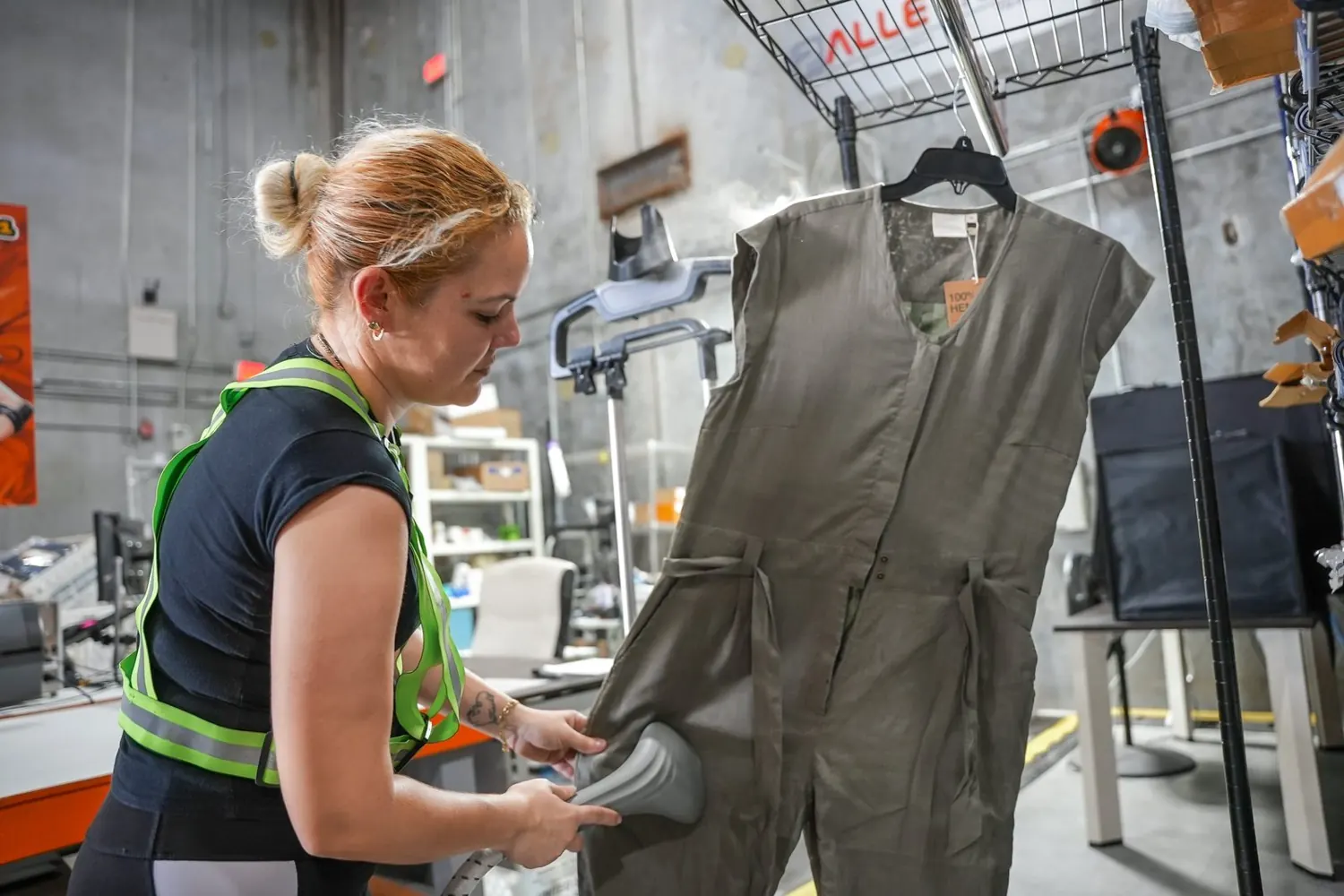
We map the product details, seasonal demands, sales channels and service requirements of your category into practical receiving, pick/pack, value-added and returns procedures—designed with your team before launch.
Explore all solutions↗Not every SKU should be handled the same way. These are examples of operational designs we can scope with your team, based on accepted products, volumes and agreed service levels.
Receive cartons against purchase orders; identify style, size, color and barcode differences; route labeling or rebagging exceptions through an agreed workflow.
Define order-picking checks for similar sizes and colors; choose branded folding, tissue, insert or polybag presentation where requested.
Use a defined inspection and disposition matrix for unworn/unsellable items, rebagging, relabeling or quarantine; return eligibility is agreed by brand.
Support individual DTC parcels plus B2B cartons, retail replenishment and marketplace prep with distinct packaging and labeling rules.
A fashion brand introduces 40 SKUs across color and size combinations while shipping creator samples and wholesale orders. We design inbound checks, picking rules, bundle instructions and a returns decision tree before the drop.
Receive cartons against purchase orders; identify style, size, color and barcode differences; route labeling or rebagging exceptions through an agreed workflow.
Define order-picking checks for similar sizes and colors; choose branded folding, tissue, insert or polybag presentation where requested.
Use a defined inspection and disposition matrix for unworn/unsellable items, rebagging, relabeling or quarantine; return eligibility is agreed by brand.
We confirm specific handling, compliance and service requirements before onboarding. These are examples of how the eHub can be configured, not an automatic SLA guarantee.
Discuss packout, garment folding, steaming and branded insert requirements.
Coordinate variant-level picking, seasonality and inventory reporting.
Create workflows for grading, rebagging and restocking sellable garments.
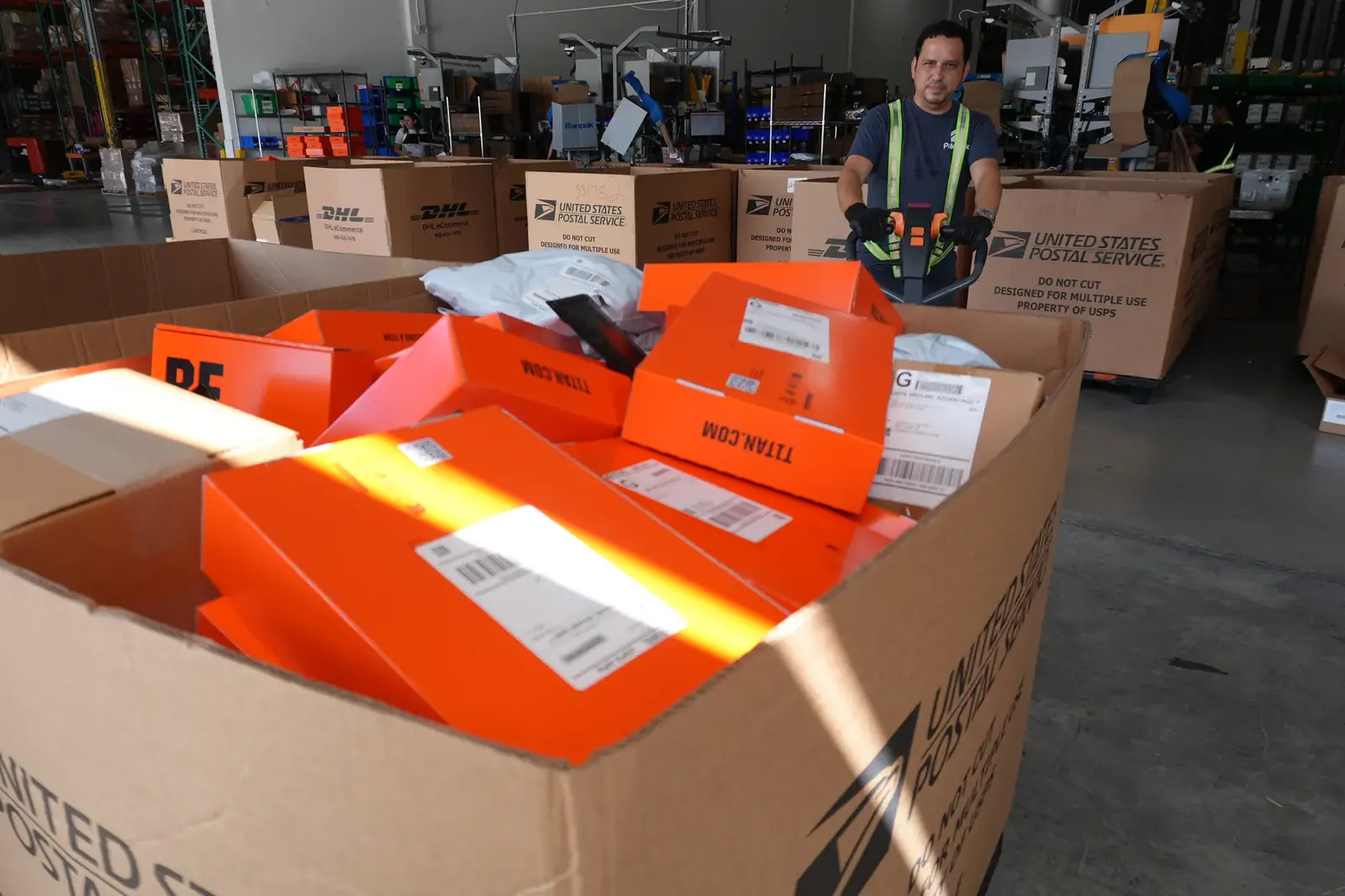
Real outbound preparation at Palletized. The product presentation and packaging standards for your brand are agreed in its operating plan.
Tech first. Human always.Value-added services are scoped to your SKUs and brand standards. Pair the right capabilities with your membership and sales-channel mix.
Create pre-assorted launch boxes, gifts, samples and seasonal bundles.
Explore capability →Coordinate tissue, mailers, custom inserts and packing instructions.
Explore capability →Define inspection and repack steps that bring eligible merchandise back into inventory.
Explore capability →Product & service acceptance: Pressing, steaming, repairs and specialty garment handling require a separate scope and confirmation of equipment and labor availability.
Get clarity on the practical questions before you hand off inventory.
Yes. The workflow can use variant-level SKUs and barcode checks, provided the brand supplies a consistent product master and labeling standards.
We can scope inspection, disposition, repacking and restocking rules for eligible returned apparel.
The program can combine individual parcels with case or pallet-based replenishment, subject to SKU mapping and channel-specific prep.
Apparel brands compete on the product, the fit and the moment the customer opens the package. A fulfillment plan has to treat those details as operational requirements, not optional extras. Palletized can define workflows for styles, sizes, colors, folded versus hanging merchandise, and the difference between a standard replenishment shipment and a limited collection launch.
Set an SKU hierarchy that distinguishes style, color, size and season. At receiving, reconcile vendor cartons against the ASN or packing list; in picking, require scan checks that reduce wrong-size shipments and stranded size runs.
Document steaming, folding, hanging, tissue and garment-bag rules by product family. Where agreed, inspect presentation before sealing the parcel so the order arrives closer to the brand’s own store standard.
Scope relabeling, brand tag swaps, heat-transfer personalization and campaign inserts as on-site value-added work. Confirm artwork approvals, minimum production runs, QC checks and who owns unusable material before launch.
Create disposition codes for unworn, damaged, stained and repairable garments. Steaming, light repair, rebagging or relabeling can be evaluated before a sellable item returns to available stock; exceptions route to the brand.
The following hypothetical scenarios illustrate how workflows may be scoped. They are not published customer case studies or guaranteed service levels.
A fashion brand releases 140 variants across sizes and colors with a 48-hour promotion. Palletized and the brand agree on prelaunch SKU verification, insert rules, surge staffing and returns disposition before stock goes live.
A label needs single-item Shopify orders and carton-packed boutique replenishment. Distinct pick paths and packing instructions are configured for parcel consumers versus wholesale buyers while inventory remains centrally visible.
Questions buyers should ask when evaluating a third-party logistics partner for this product category.
Steaming and garment presentation are value-added services that can be scoped into the brand SOP. The number of units, fabric handling instructions and required turnaround are established during onboarding.
We define variant-level identifiers, scan-assisted pick verification and exception workflows. A complete product master and scannable barcodes remain important inputs from the brand.
Yes, where the connected systems and commercial scope support it. Separate picking and packing instructions govern single parcels, boutique cases and retail labels.
Tell us a little about your brand, order volume, channels and product requirements. We’ll review your needs and prepare personalized next steps and a proposal tailored to your operation.